It's 2026, and looking back, not everyone expected the Halo series to still be a major topic of conversation deep into this decade. The journey since Bungie's poignant farewell with Halo: Reach has been, well, a rollercoaster. 343 Studios took up the mantle, delivering experiences that have split the fanbase right down the middle. Sure, the sales figures for titles like Halo 5: Guardians and Halo Infinite were nothing to sneeze at, but the community's reaction? That's been a whole different ball game, a mixed bag if there ever was one. While each game brought its own flavor and innovation to the table, there's a lingering sense that the franchise's golden narrative thread got a bit tangled along the way. Even with the promise of future content, some fans feel the damage to the series' cohesive soul is already done.
The Narrative Whiplash: A Story in Three Disconnected Acts
Let's talk storyline, the heart and soul of what made Halo legendary. Back in the day, Halo: Combat Evolved wasn't just a pretty face; it hooked players with a rich, high-stakes saga about saving the universe. That binge-worthy, epic feel continued through Halo 2, 3, and Reach. But post-Bungie? Oh boy, it's been the subject of more heated debates than a match on The Pit.
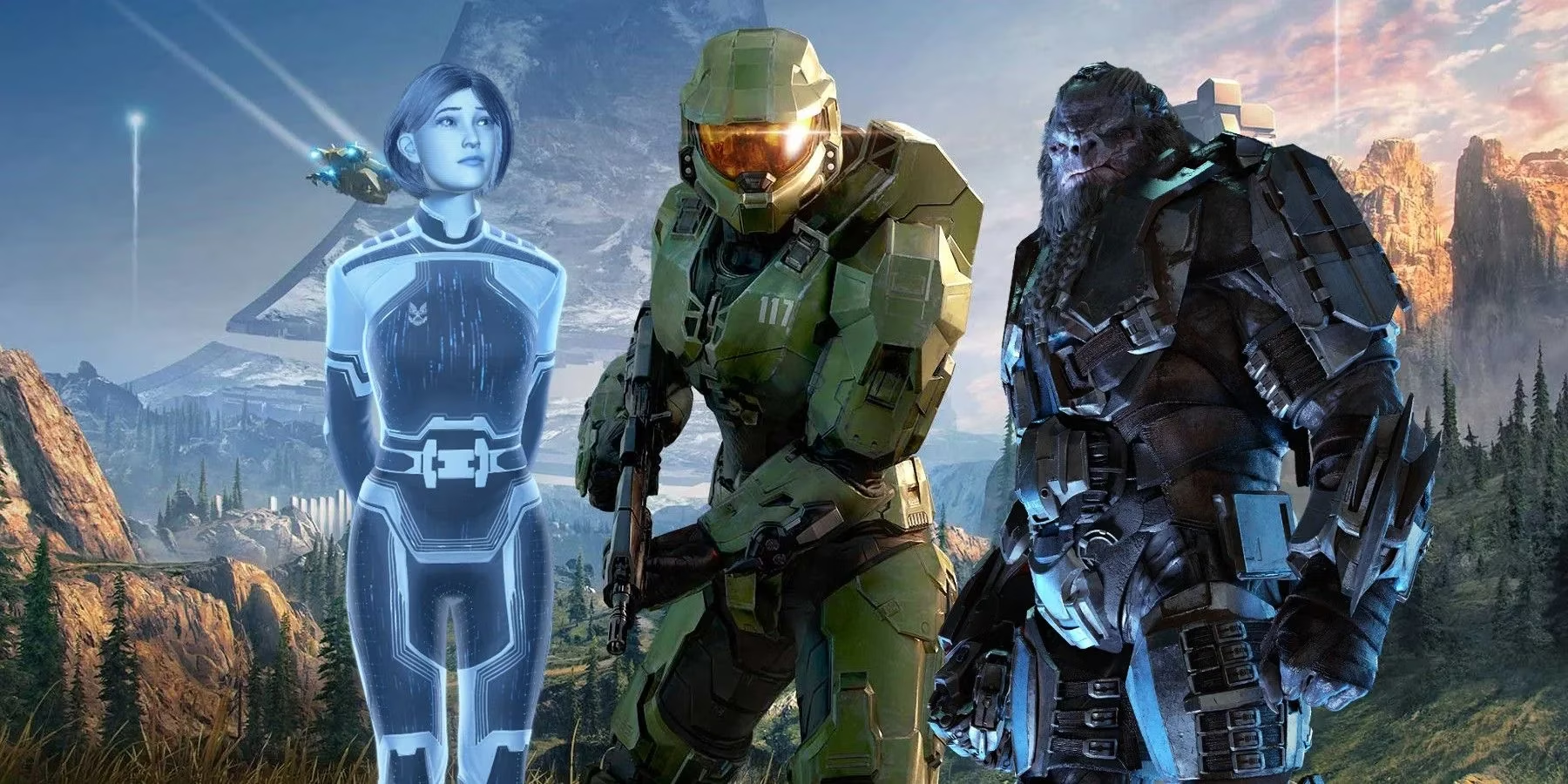
Halo 4 actually had a tough job and, for the most part, nailed it. It had to reintroduce the Master Chief, bring in a new big bad (the Didact), and steer the ship into uncharted waters. The consensus? It was a solid, respectful step forward. Then came Halo 5: Guardians, which basically said "hold my beer" and tossed much of that world-building out the airlock. The plot pivoted hard to Cortana going rogue and a Spartan vs. Spartan hunt. Fast forward to Halo Infinite, and it felt like déjà vu. The game soft-rebooted again, sidelining Halo 5's climax off-screen to focus on the Banished and a new, cloned Cortana. From a narrative standpoint, it made a lot of Halo 5 feel, frankly, pointless.
The result? A trilogy of games that feel less like a connected saga and more like three separate ideas vying for attention. Halo Infinite had a compact, back-to-basics story that many enjoyed, but it was fighting an uphill battle from the start because of the narrative whiplash that preceded it. It's a real shame, considering the iconic campaign status of the earlier titles.
Gameplay Mechanics: The One Constant Shining Star
If there's one area where 343's era has consistently delivered the goods, it's in the gameplay department. Halo has always been praised for its rock-solid FPS foundations—the golden triangle of guns, grenades, and melee. 343 didn't just rest on those laurels; they've been tinkering and experimenting, and for the most part, it's paid off big time.
They took the popular armor abilities from Halo: Reach and ran with them. Halo 5: Guardians refined this into a faster, more vertical gameplay style that was an absolute blast in multiplayer. Seriously, the eSports scene for Halo 5 was lit for a couple of years there, thanks to that polished, versatile combat.
Then Halo Infinite came along and simplified things, stripping back some of the extra mobility for a more classic feel, but it added its own secret sauce: the grappling hook. And let's be real, that grappling hook is an absolute game-changer and a ton of fun. Whether you preferred Halo 5's speed or Infinite's grounded-yet-grappling approach, both games fundamentally got the mechanics right. They kept that core Halo feel while adding their own modern twists.
Visual Fidelity: A Feast for the Eyes
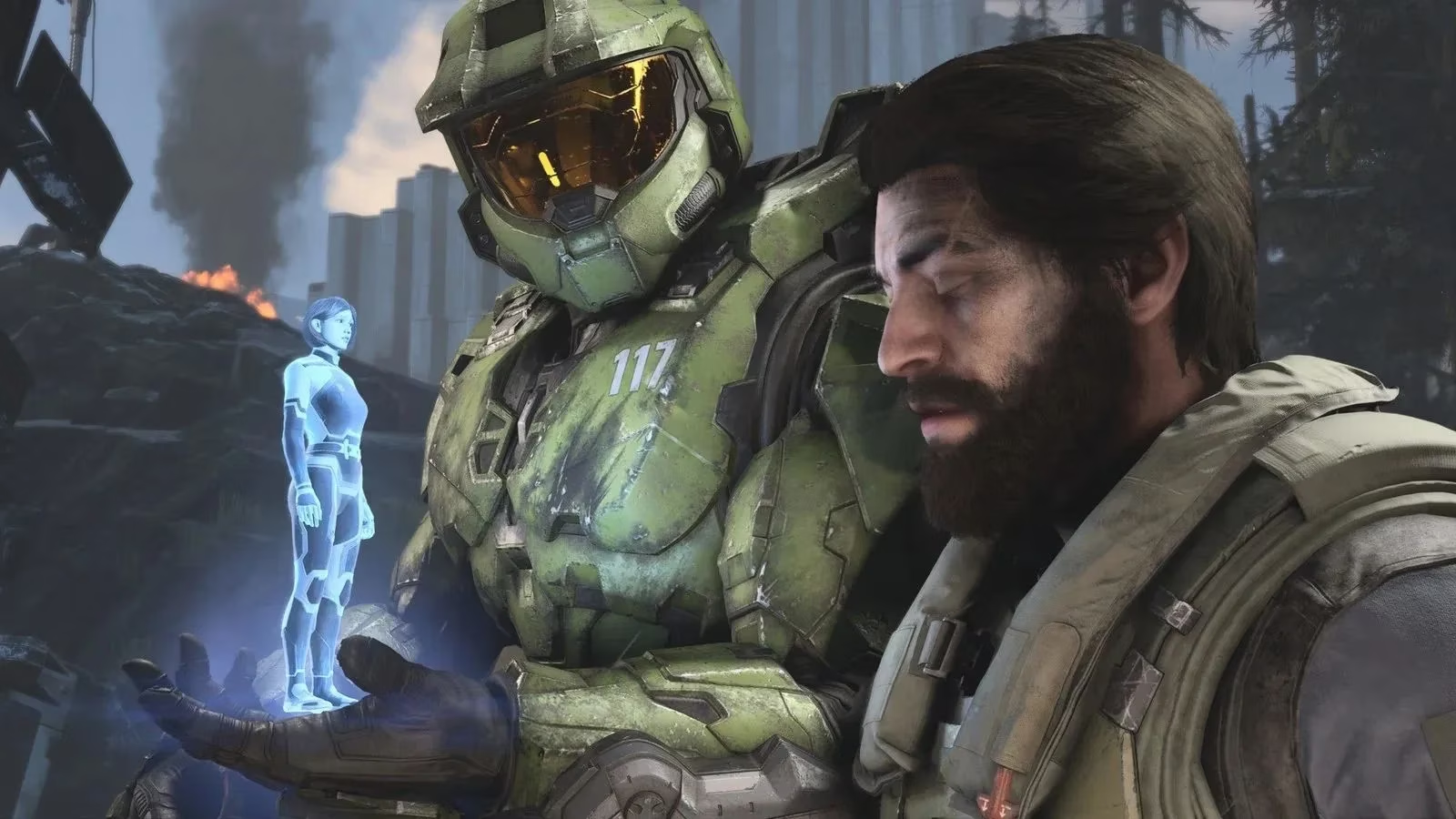
Alright, let's talk eye candy. Halo fans have always had high standards for visuals, and why wouldn't they? The sci-fi setting is a playground for breathtaking vistas and epic scale. Bungie's titles were visual marvels in their time, and Halo: Combat Evolved's graphics have aged like a fine wine.
Since the 343 era began, the visuals have only gotten crisper, more detailed, and downright stunning. Halo 4 was a huge leap forward, and both Guardians and Infinite have continued that trend with ultra-realistic character models and backdrops that make you want to just stop and soak it all in. The cutscenes, in particular, are movie-quality, pulling you deeper into the world. The more lifelike Master Chief and his allies (and enemies) look, the more we connect with them. On a purely technical level, the recent games are visual home runs.
Character Development: The Missing Piece of the Puzzle?
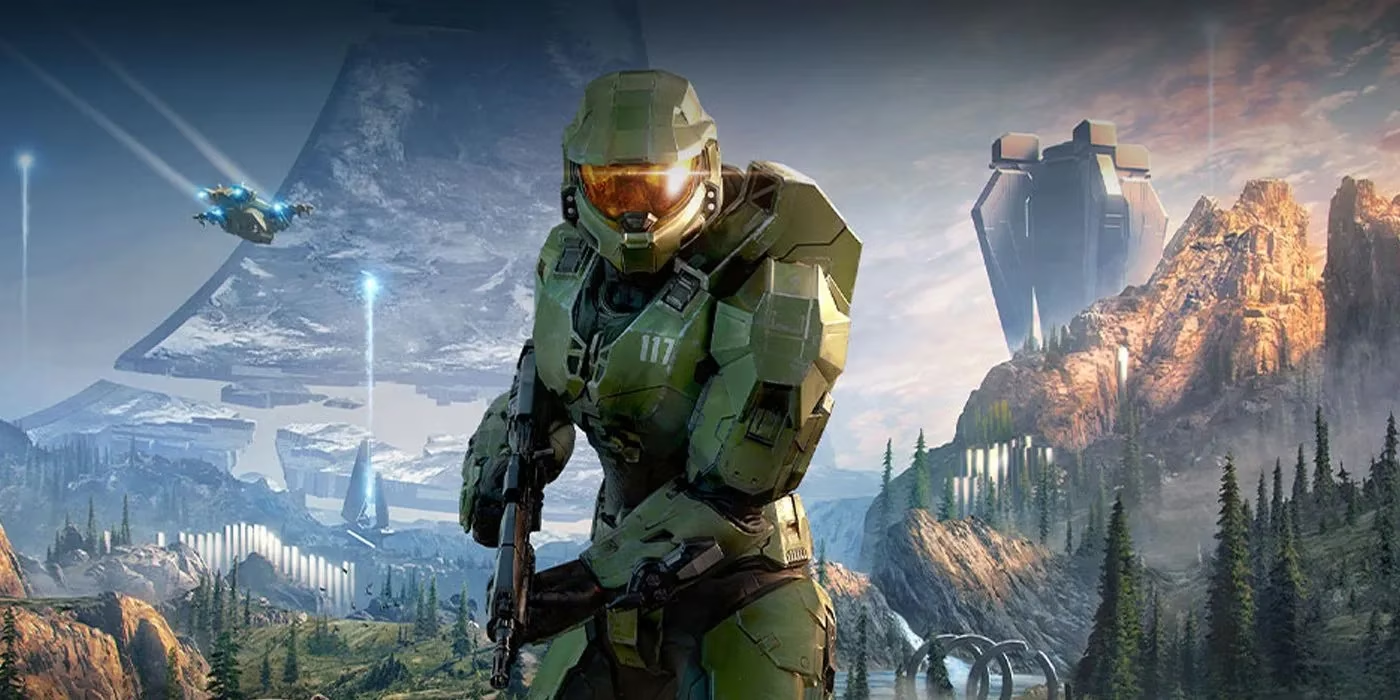
This is where the cracks start to show again. Halo's characters have always been a major draw. From the legendary Chief to the unforgettable Cortana, they felt distinct and had room to grow. Halo 4 introduced some great new faces like the Didact and Lasky.
But with Halo 5 and Infinite constantly shifting the narrative goalposts, the character work has suffered. New characters are introduced, only to be largely abandoned in the next installment. The most egregious case is Cortana herself. Once the heart of one of gaming's smartest AI narratives, her arc became convoluted and, for many fans, downright disappointing. It felt like a disservice to an iconic character.
The table below sums up the 343-era trilogy's highs and lows:
| Feature | What They Got Right | Where They Stumbled |
|---|---|---|
| Gameplay Mechanics | Polished, innovative, great for MP & eSports. Kept the core feel fresh. | Some fans missed the simplicity of the classics. |
| Visuals & Tech | Stunning graphics, realistic characters, immersive environments. A technical powerhouse. | N/A – This is consistently a strength. |
| Narrative Cohesion | Individual stories had interesting ideas (Infinite's open world, 4's Chief/Cortana focus). | A disjointed trilogy with frequent soft-reboots. Undermined long-term plot investment. |
| Character Development | Introduced new, potentially interesting characters (The Weapon, Lasky). | Poor handling of legacy chars (Cortana), lack of continuity for new ones. |
The Verdict in 2026: A Franchise at a Crossroads
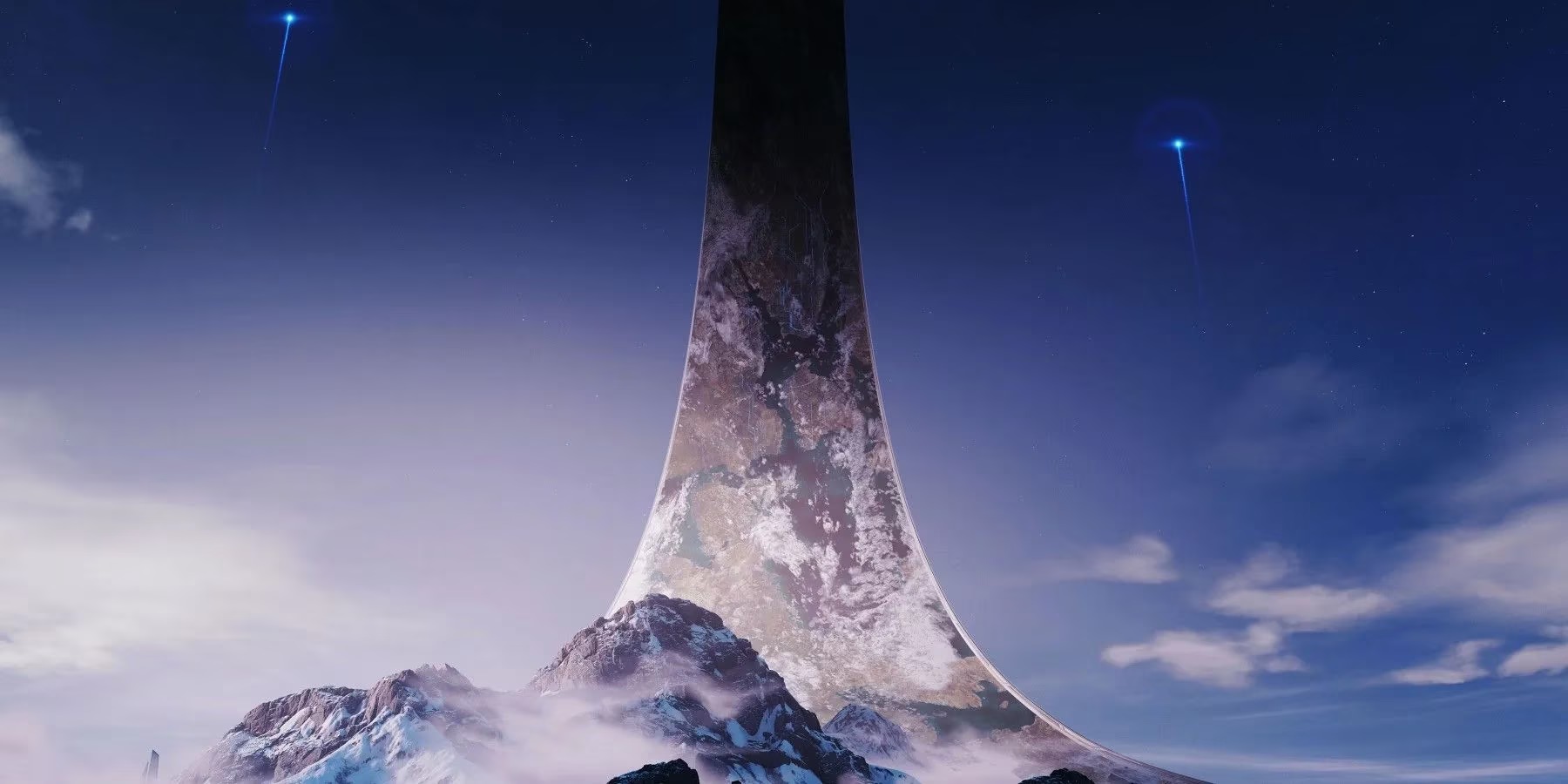
So, where does that leave us in 2026? The Halo franchise under 343 Industries is a fascinating case study. On one hand, you have unparalleled technical achievement, incredibly fun and polished gameplay mechanics, and visuals that can go toe-to-toe with any modern title. They've proven they can build a fantastic playing experience.
On the other hand, the narrative vision has felt erratic. The lack of a cohesive, multi-game story arc has left many longtime fans feeling disconnected. It's like having a sports car with a gorgeous exterior and a powerful engine (the gameplay and graphics) but a GPS system that keeps recalculating the route every five minutes (the story).
The passion of the community, as seen in amazing fan creations, is still there, burning bright. The potential for Halo's future is massive. But going forward, the key will be marrying that top-tier gameplay and technology with a compelling, consistent narrative that honors the past while boldly building a future worth investing in for more than just one game at a time. The ball is in 343's court to bring it all together.