The Halo community received disheartening news in early 2026, as insider reports confirmed the cancellation of a long-rumored project from developer Certain Affinity. Codenamed Project Tatanka, this mysterious Halo title had been in development since the spring of 2020, initially conceived as a battle royale-style mode for the live-service platform of Halo Infinite before evolving into its own standalone game. The decision to cancel the project, revealed during an XboxEra podcast by insider Shpeshal Nick, marks a significant shift in the strategic plans for the franchise's future, leaving fans to wonder about the fate of the ambitious concepts that were reportedly in the works for years.
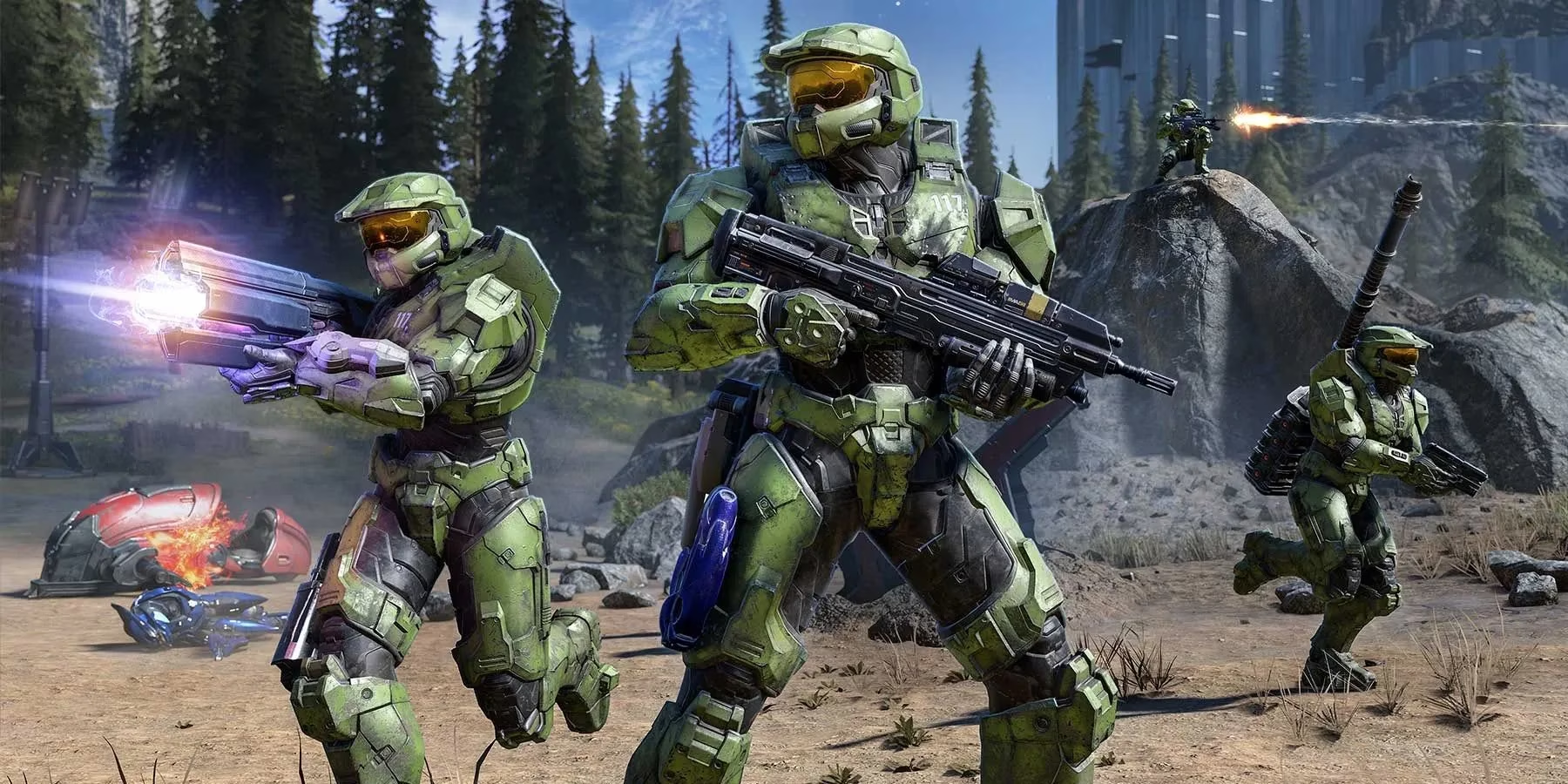
The cancellation arrives at a complex time for the Halo franchise. Halo Infinite, launched in 2020, was intended to be the foundational live-service hub for the series for the foreseeable future. However, despite post-launch support that introduced impressive features like the Firefight PvE mode, the robust Forge creation toolkit, a custom games browser, and numerous new maps, the game has struggled to maintain its player base and recapture the iconic status the series once held among Xbox's most popular titles. This context made the potential of a dedicated battle royale experience, a genre known for its massive and sustained player engagement, particularly tantalizing for many in the community.
For a significant portion of the fanbase, a battle royale mode was seen not just as a novel addition, but as a potential catalyst for a franchise resurgence. Their reasoning was rooted in Halo Infinite's existing foundational elements, which seemed to align perfectly with the genre's requirements:
-
Large-Scale Maps: The game's engine and design already supported expansive environments suitable for large player counts.
-
Diverse Arsenal: Halo's sandbox boasts an iconic and varied lineup of vehicles (Warthogs, Ghosts, Scorpions) and weapons (Energy Sword, Battle Rifle, Rocket Launcher), offering the tactical depth battle royale players enjoy.
-
Higher Time-to-Kill (TTK): Compared to many modern shooters, Halo's shield-based combat results in a longer TTK, emphasizing positioning, teamwork, and resource management—key pillars of successful battle royale gameplay.
Many believed that merging these classic Halo ingredients with the battle royale format could have been a "perfect fit," offering a fresh way to play while leveraging the genre's popularity to bring lapsed players back into the fold.
With Project Tatanka's cancellation, the immediate future of such a mode appears uncertain. Speculation suggests that some of the work done by Certain Affinity may be repurposed for future Halo Infinite content or integrated into the next mainline Halo game, which 343 Industries is confirmed to be developing. The relationship between the two studios was described as "strengthened" in 2022, with Certain Affinity stating a focus on "evolving Halo Infinite." This historical collaboration leaves the door open for the studio to contribute to other Halo projects, even if Tatanka itself will not see the light of day.
The news has also reignited broader discussions within the community about the franchise's direction. While some mourned the lost potential of a Halo battle royale, others have begun advocating for a different path forward:
| Fan-Suggested Path | Perceived Benefits |
|---|---|
| Remaster Classic Titles | Rebuild goodwill by modernizing beloved entries like Halo 3 (now nearly 20 years old) to attract both nostalgic veterans and new players. |
| Double Down on Infinite | Continue expanding the live-service with bold new narrative and gameplay experiences to stabilize and grow the existing platform. |
| A Clean Slate | Move entirely beyond the Infinite framework with the next mainline title, aiming for a decisive reboot of the series' identity. |
The cancellation of Project Tatanka is more than just the end of a single game; it represents a pivotal decision point for Microsoft and 343 Industries. It underscores the challenges of navigating a beloved franchise in a rapidly evolving gaming landscape. The studio must now balance the innovative aspirations that Tatanka represented with the core identity that has defined Halo for decades. The community's divided reactions—between craving modern genre innovations and longing for classic experiences—highlight the delicate tightrope the developers must walk.
Ultimately, the fate of this ambitious battle royale project remains a "what could have been" chapter in Halo's history. Its development and cancellation reflect the ongoing struggle to adapt a legendary franchise to contemporary trends while honoring its roots. As 343 Industries forges ahead with its next major project, the lessons and assets from Tatanka's prolonged development may yet influence the shape of the Halo universe to come. For now, fans are left to watch, wait, and hope that the Master Chief's next adventure will find a way to unite the community and restore the series to its former glory. Only time will tell what direction the franchise will ultimately take.