In the landscape of video game design, the inclusion of online multiplayer has often been seen as a method to extend a title's longevity and appeal to a broader audience. However, this integration has not always been a successful or beneficial endeavor. There are numerous instances where the development focus and resources allocated to online multiplayer components have detracted from the core, single-player experience, leading to a diluted final product. This misallocation can manifest as split development teams, compromised narrative depth, or the introduction of mechanics that clash with the game's intended atmosphere. Some titles even had their online services subsequently retired, a telling sign of their superfluous nature. The pursuit of online engagement can sometimes come at the cost of the very elements that make a game's solitary journey memorable and impactful.
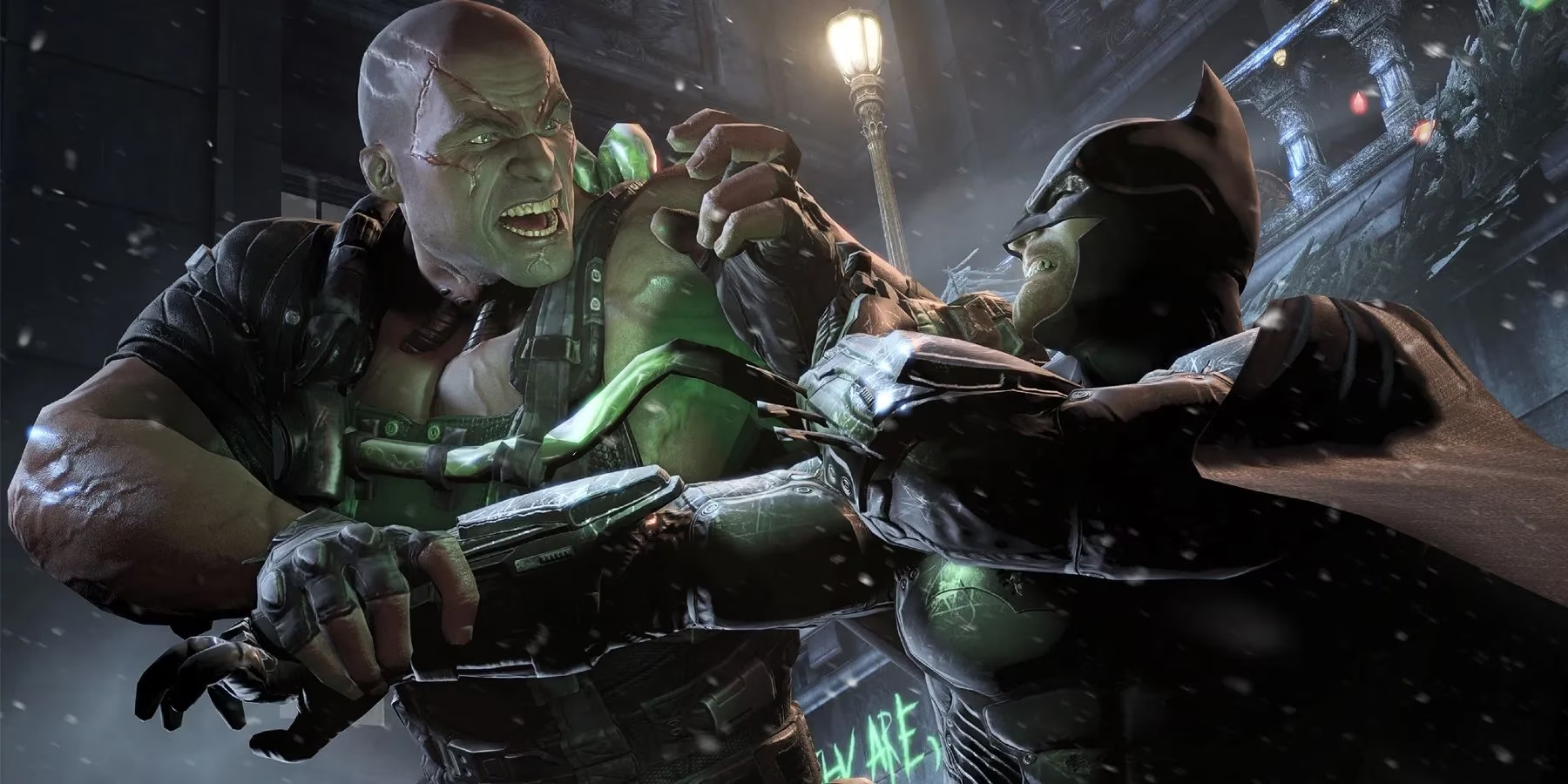
For years, the gaming community harbored a desire for a cooperative Batman experience set in the sprawling, gothic environment of Gotham City. The announcement of a multiplayer mode in Batman: Arkham Origins initially sparked considerable excitement. However, this anticipation gradually dissipated when it was revealed to be a player-versus-player (PvP) style game rather than the anticipated cooperative adventure. While innovative in its approach, the multiplayer component of Arkham Origins failed to sustain a dedicated player base and was shut down relatively quickly. Its existence was hardly justified, despite possessing a few intriguing features. The game might have been significantly enhanced by a system more akin to Gotham Knights, allowing Batman and an ally like Robin to collaboratively tackle foes across the cityscape. The development time invested in the PvP mode could have been redirected to enrich the primary narrative, potentially refining boss encounters and introducing additional side missions featuring iconic members of Batman's formidable Rogues Gallery.
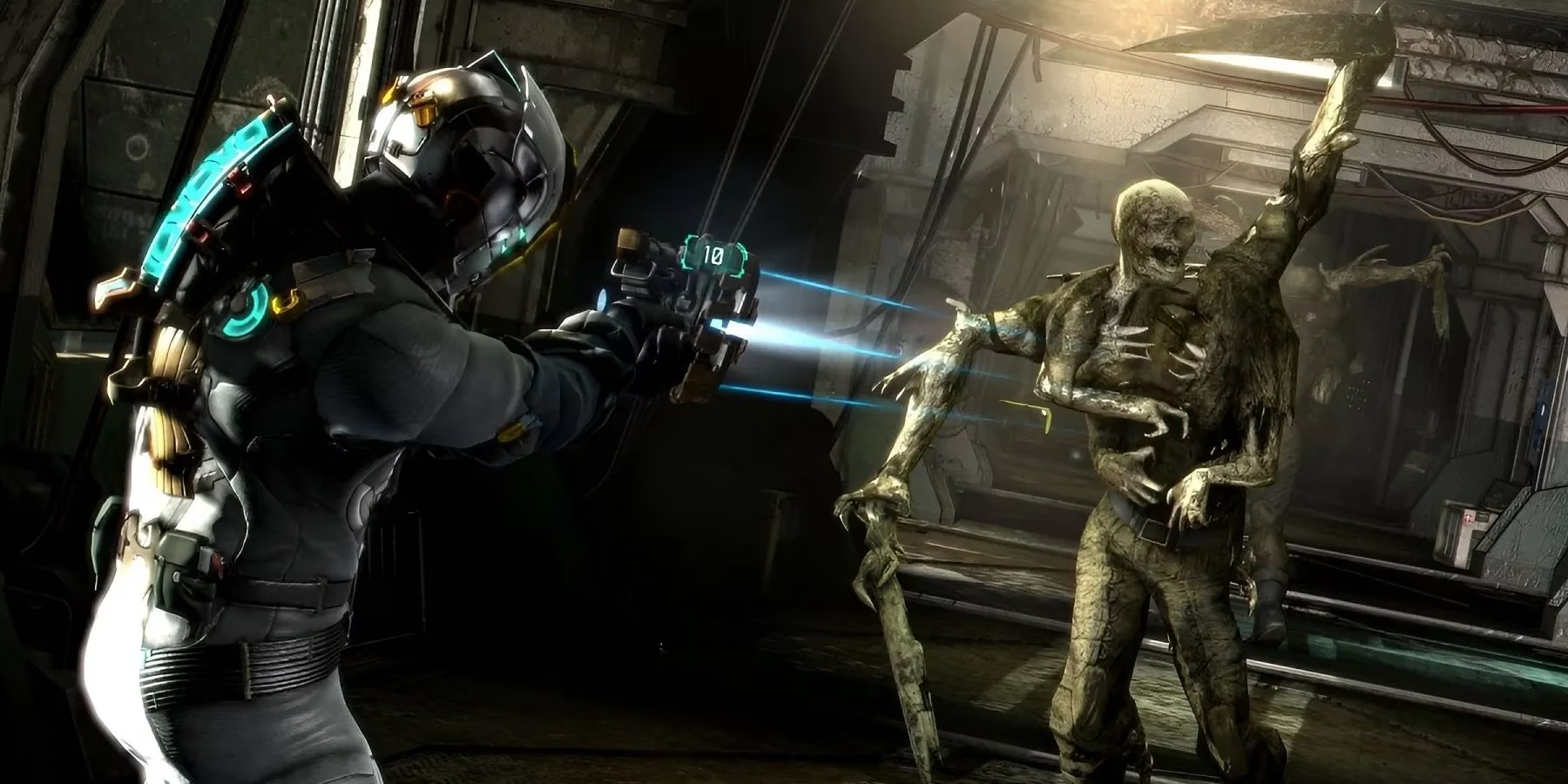
The Dead Space franchise was renowned for its masterful crafting of atmospheric dread and visceral horror, largely achieved through the isolated, vulnerable experience of protagonist Isaac Clarke. Dead Space 3 made the controversial decision to introduce a cooperative multiplayer component, bringing a new character, John Carver, into the fray. While the cooperative journey through necromorph-infested locales could be enjoyable, it fundamentally undermined the series' core horror tenets. The chilling sensation of solitude and the constant fear of being alone with the monstrous threats were largely nullified when players had a partner to watch their back. This shift transformed the experience from a tense survival-horror game into a more action-oriented shooter, sacrificing a significant degree of terror and immersion for the sake of shared gameplay, even if that co-op was fun in its own right.
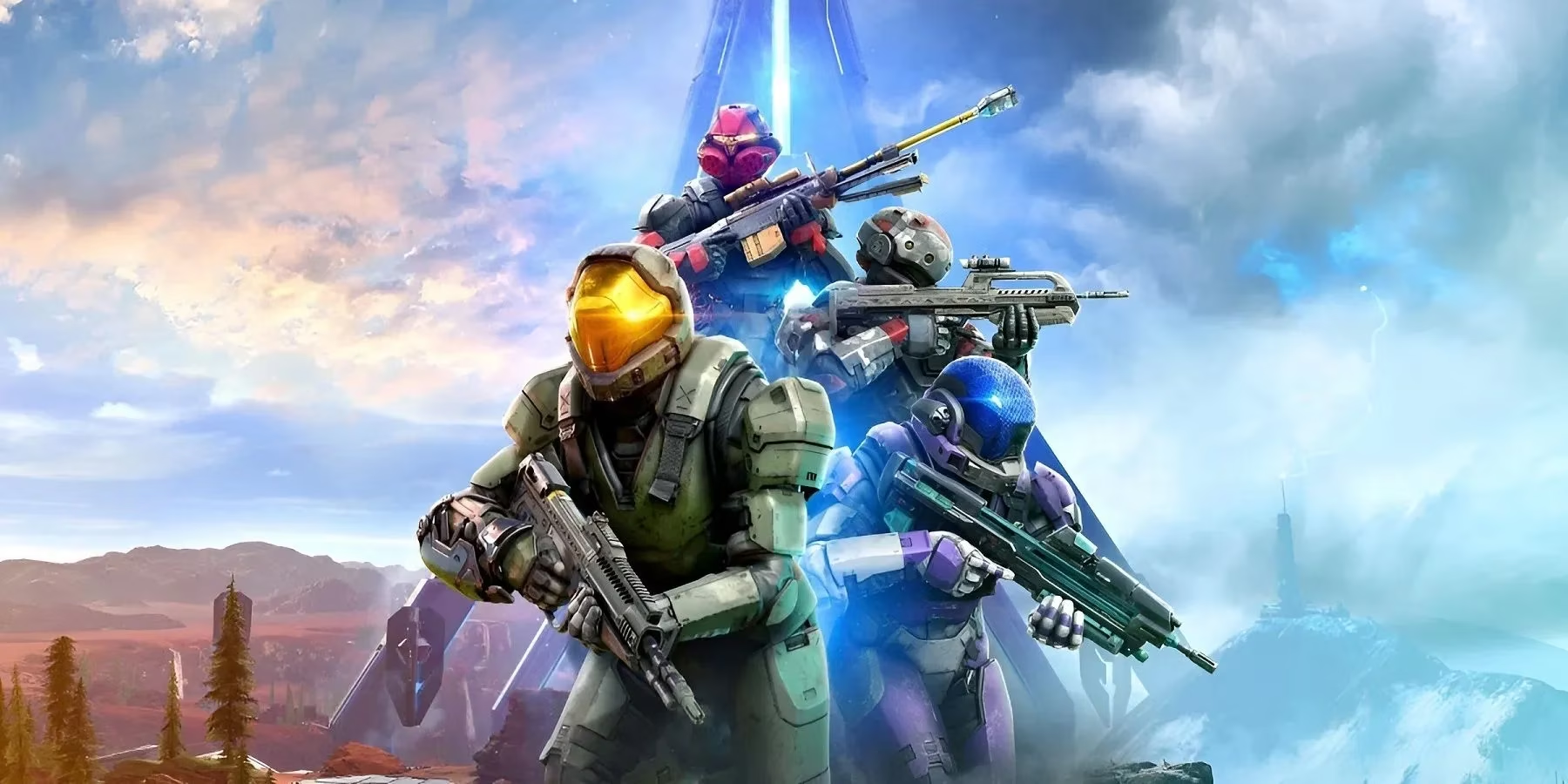
The Halo series has long been a cornerstone of first-person shooter gaming, but recent entries have sparked debate about their direction. Halo: Infinite arrived with considerable expectations, boasting a new open-world campaign for Master Chief and a free-to-play multiplayer model. However, the final product left some fans feeling that the experience was compromised. A significant factor was likely the division of developer 343 Industries' resources between crafting the expansive single-player narrative and maintaining a live-service multiplayer suite. This split focus may have prevented a deeper, more polished exploration of Master Chief's story. Meanwhile, the multiplayer component, despite its free-to-play accessibility, has struggled with player retention and a battle pass system criticized for its lackluster rewards. The game might have benefited from a more concentrated effort on its campaign rather than a multiplayer mode that competes in an oversaturated market.
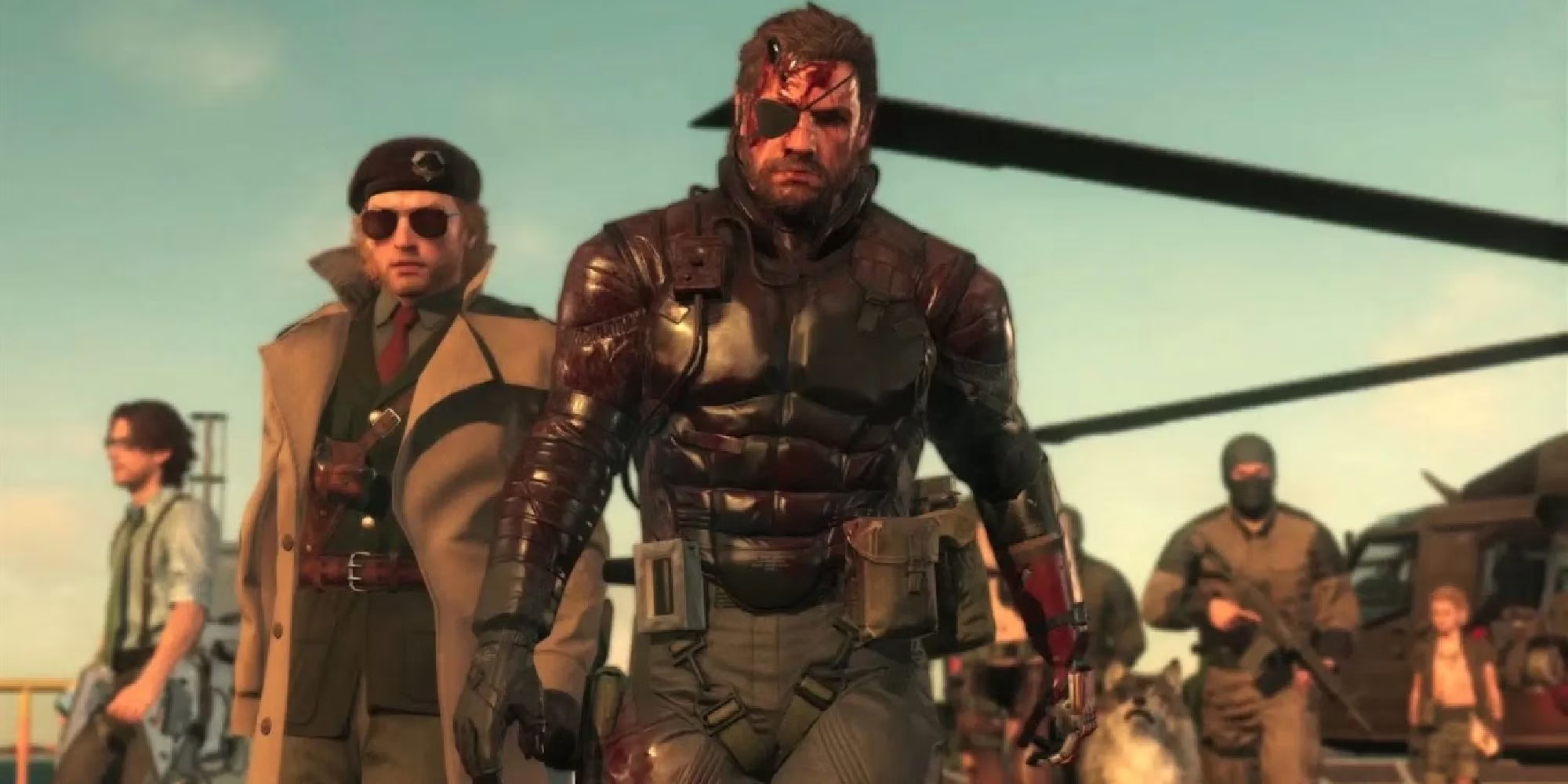
Metal Gear Solid V: The Phantom Pain presents a complex and engrossing narrative following Venom Snake, adding profound layers to the lore of Big Boss and Ocelot. Yet, it also incorporated a disruptive multiplayer element: the Forward Operating Base (FOB) invasion system. This mode allowed players to infiltrate each other's customized Mother Bases to steal resources, staff, and even nuclear weapons. While thematically interesting, this feature introduced a layer of persistent anxiety that detracted from the core single-player experience. Players often felt compelled to constantly fortify their bases against potential raids, diverting attention from the rich open-world exploration and intricate story missions at hand. The development resources dedicated to this always-online systems could arguably have been used to further polish or even expand the game's controversial and reportedly rushed conclusion, which was affected by the well-documented strife between creator Hideo Kojima and publisher Konami.
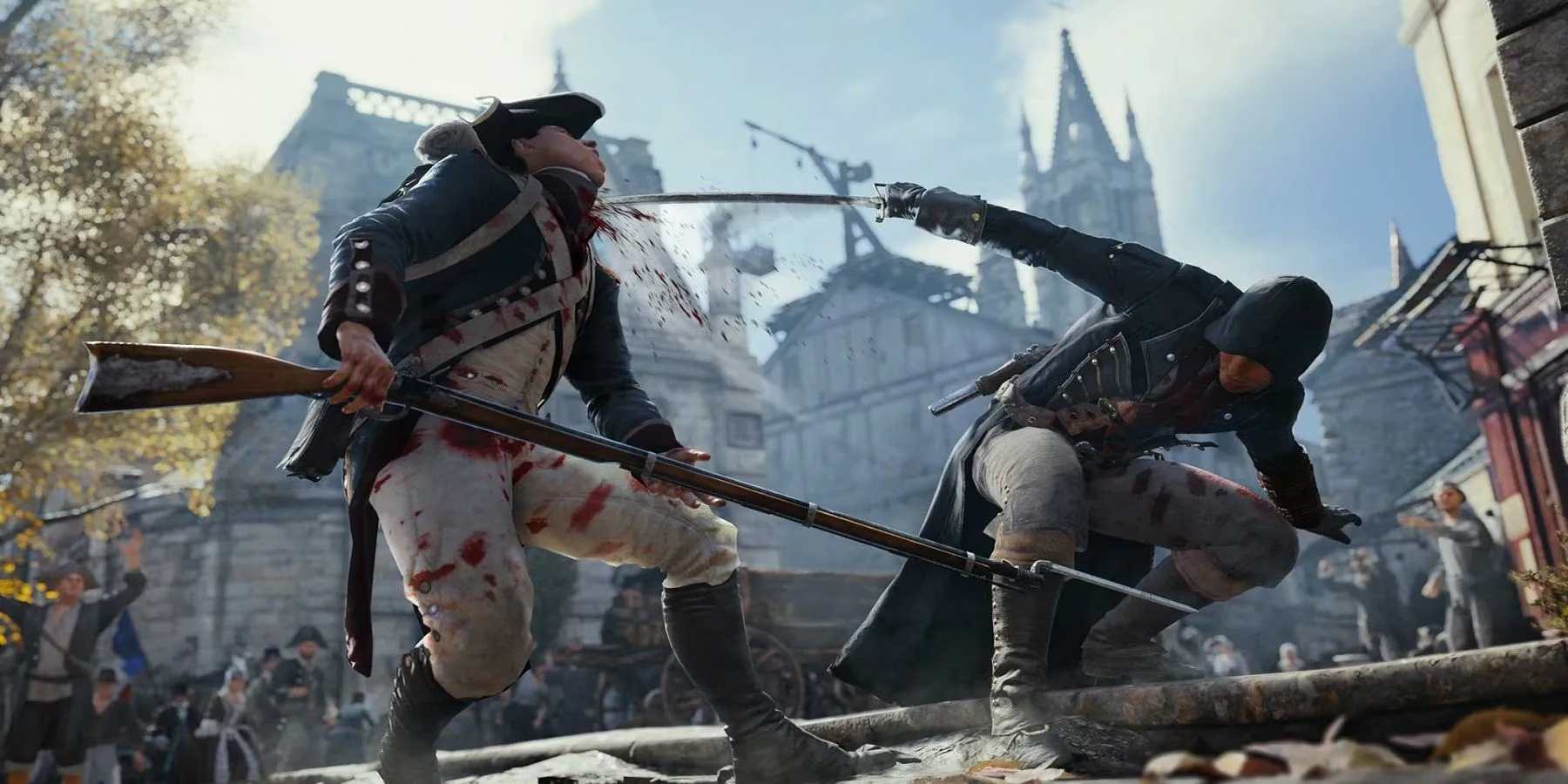
Assassin's Creed Unity aimed to revolutionize the series' multiplayer by introducing cooperative player-versus-environment (PvE) missions set within the meticulously recreated French Revolution-era Paris. The vision was to allow multiple Assassins to seamlessly parkour across the city and tackle objectives together, promising a new dimension of social stealth and combat. Regrettably, the execution was marred by severe technical issues. The online multiplayer was plagued by notorious performance problems, bugs, and connectivity failures, becoming infamous in gaming history. These problems were so pervasive that they overshadowed the game's ambitious single-player advancements and stunning visual design. The multiplayer component was often inaccessible or broken, and when it did function, it was confined to specific missions, failing to deliver on its promise of a fully integrated cooperative open world. This failed experiment not only hurt Unity's reception but also seemingly discouraged Ubisoft from revisiting the concept of large-scale cooperative Assassin's Creed adventures for years.
Key Takeaways from These Examples:
| Game Title | Multiplayer Type | Core Detriment | Potential Alternative Focus |
|---|---|---|---|
| Batman: Arkham Origins | PvP | Diverted resources, short-lived service | Enhanced story, boss fights, side missions |
| Dead Space 3 | Co-op Campaign | Diminished horror, shifted genre tone | Deeper solitary horror experience |
| Halo: Infinite | Free-to-play PvP | Split development, diluted campaign depth | More expansive and polished story content |
| Metal Gear Solid V | Base Invasion (Asynchronous) | Added player anxiety, resource diversion | More complete narrative conclusion |
| Assassin's Creed Unity | Co-op PvE | Severe technical issues, broken promises | Stable single-player and world mechanics |
These cases collectively illustrate a recurring theme in modern game development: the forced or poorly implemented integration of multiplayer features can significantly undermine a title's strengths. The resources—time, personnel, and creative energy—are finite. When a significant portion is allocated to building and sustaining an online ecosystem, the primary, narrative-driven experience often pays the price. This can result in:
🔹 Truncated or less polished stories.
🔹 Mechanical shifts that conflict with the game's identity.
🔹 Persistent design elements that create unwanted player stress.
🔹 Technical failures that tarnish the game's overall reputation.
As the industry continues to evolve, the lesson from these titles remains pertinent. Not every game needs an online component to be successful or memorable. In fact, for many, the focus on a rich, uninterrupted, and finely-tuned single-player journey is its greatest asset—one that should not be compromised for trends that may not align with its core vision. The legacy of these games serves as a cautionary tale about the importance of cohesive design and playing to a game's inherent strengths.