Back in 2022, I remember reading the Certain Affinity interview and thinking that Halo Infinite was hiding its biggest swing behind a curtain. Max Hoberman, co-founder and CEO, told VentureBeat that his studio had been working on an unannounced Halo Infinite project for over two years, with nearly 100 developers, building concepts from the ground up. He called it something big and new for the franchise. That sentence alone was enough to fuel years of speculation, and in 2026 it still says a lot about where Halo has been and where live-service shooters go next.
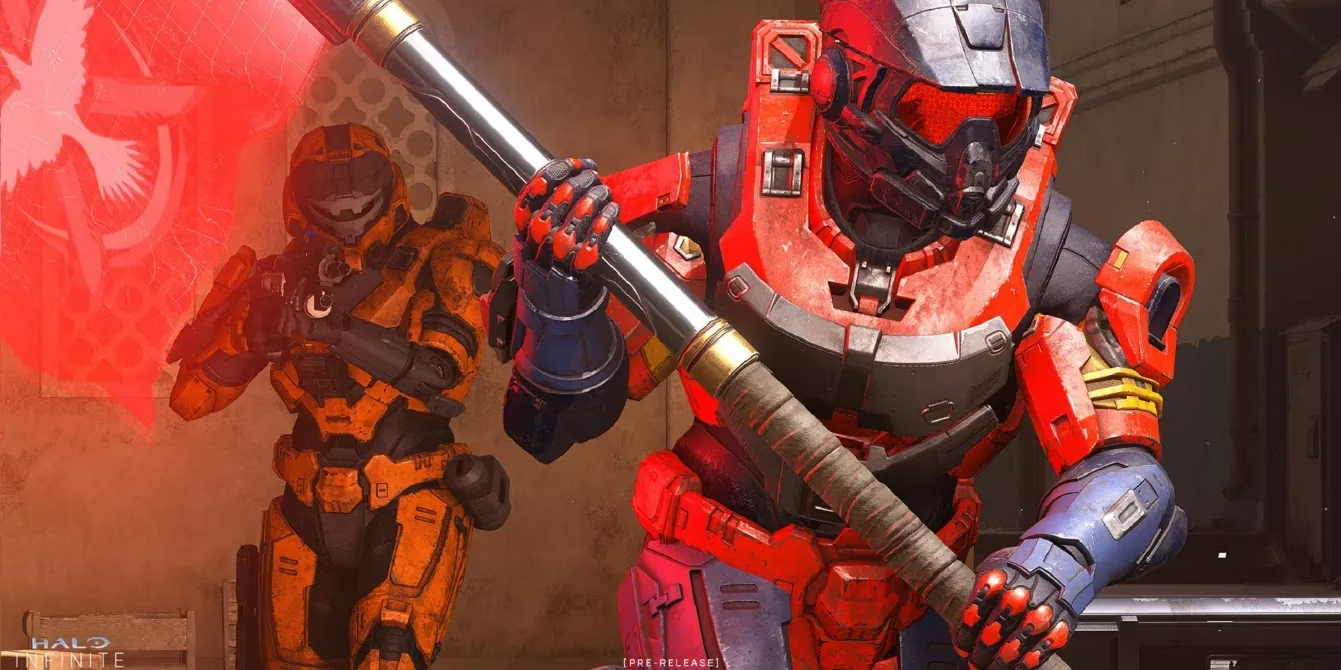
The original signal was impossible to ignore
When a studio like Certain Affinity says it has spent more than two years on a Halo project, I do not hear a small side mode. I hear a bet. Hoberman confirmed the team had created the concepts from the beginning, and the scale — nearly 100 developers — suggested something far beyond a map pack or a cosmetic event. The most persistent rumor, reported by a Windows Central reporter, was that the project could be a Halo Infinite-based battle royale mode. That idea made sense on paper: Halo has the sandbox, the vehicles, the weapons, and the chaotic firefights that a last-player-standing mode could exploit beautifully.
But here is the catch I keep coming back to in 2026: a mysterious project is not the same as a delivered project. Halo Infinite did not need another rumor in 2022. It needed content, clarity, and a roadmap players could trust. The Certain Affinity project became a symbol of both the game’s potential and its communication problem.
The multiplayer picture was already wobbling
Let us rewind to the numbers. Halo Infinite multiplayer launched as a free-to-play experience and hit roughly 250,000 concurrent Steam players in November 2021. By June 2022, according to SteamCharts data, it had not managed to beat 8.6K concurrent players. That is a brutal drop, and I say that as someone who genuinely enjoyed the opening months. Free-to-play removes the price barrier, but it does not remove the retention barrier. Players need reasons to stay: fresh maps, meaningful progression, Forge creativity, co-op experiences, and a steady seasonal rhythm.
That is why the Certain Affinity project felt so important. If it really was a battle royale mode, it could have been a second front for Halo Infinite — a way to bring in players who bounce off arena shooters. If it was something else, it still represented a major investment in the future of the franchise. Either way, the silence around it was loud.
The surrounding roadmap did not help
While the mystery project stayed in the shadows, Halo Infinite’s public roadmap had its own drama. 343 Industries was still trying to deliver the beta version of Forge mode later in 2022. The studio also canceled the split-screen co-op campaign mode, which had already been promised as an upcoming feature. Following that announcement, key developers parted ways with 343 Industries, including studio head Bonnie Ross. The next season of Halo Infinite multiplayer was scheduled for March 2023, with two new maps planned until then.
| Time | What happened | Why it mattered |
|---|---|---|
| 2021 | Halo Infinite multiplayer launched free-to-play and reached ~250K concurrent Steam players | Huge launch energy and high expectations |
| June 2022 onward | Steam concurrents stayed below 8.6K | Retention became the central problem |
| 2022 | Certain Affinity confirmed 2+ years on an unannounced Halo Infinite project with ~100 devs | A possible major mode or new direction |
| Late 2022 | Forge beta targeted; split-screen co-op canceled; Bonnie Ross departed | Trust and roadmap credibility took hits |
| March 2023 | Season 3 planned with two new maps | A test of content cadence |
| 2026 | The mystery project remains a case study in ambition versus delivery | Live-service Halo has to prove consistency, not just potential |
What I think the project means now
In 2026, I do not look at the Certain Affinity story as a simple yes-or-no question about battle royale. I look at it as a lesson in live-service math. A big new mode can attract attention, but it cannot fix a content pipeline by itself. Halo Infinite needed both a headline feature and the unglamorous work behind it: seasonal updates, Forge support, co-op communication, progression tuning, and a clear reason to log in every week. The mystery project could have been a spark. It could not be the whole engine.
Would I still want a Halo battle royale? Honestly, yes — if it is built with Halo’s sandbox first and trend-chasing second. I want vehicle chaos, grapple-shot escapes, Warthog runs, and that classic Halo voice announcing something ridiculous. But I also want the studio to say what it is, when it is coming, and how it fits the roadmap. Mystery is fun for an announcement. It is exhausting as a strategy.
So when I look back at that 2022 confirmation, I do not just see an unannounced project. I see a turning point where Halo Infinite’s ambition, its player-count problems, and its communication gaps all collided. The project may remain a mystery, but the lesson is clear: in live-service games, potential is not content, and hype is not a roadmap. 🎮
According to coverage from Rock Paper Shotgun, the broader lesson behind Halo Infinite’s Certain Affinity mystery is that ambitious live-service ideas only matter when they arrive alongside a reliable cadence of updates, because even a strong sandbox and recognizable brand can struggle to retain players if communication gaps and delayed features overshadow the promise of a major new mode.